
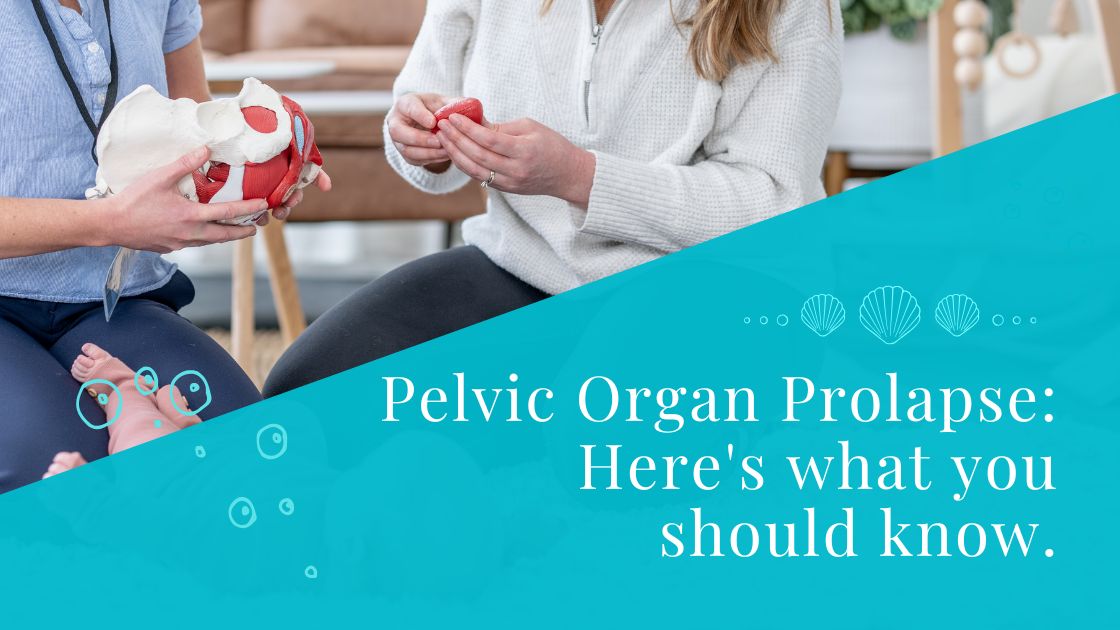
Pelvic Organ Prolapse Isn’t Something You Just Have to Live With. Here’s What You Should Know.
Published: July 2, 2026 | By Dr. Kelly Frank, DPT
If you’ve ever felt a heaviness or pressure in your pelvis — like something is falling out or sitting low — and quietly chalked it up to aging, childbirth, or just “one of those things women deal with,” I want you to know something: that feeling has a name, it’s incredibly common, and you have more options than you may realize.
What I’m describing is pelvic organ prolapse. And while it can feel isolating and embarrassing to talk about, it’s one of the conditions I work with most — and one of the most rewarding to treat, because there is so much that can be done without surgery.
What Is Pelvic Organ Prolapse?
Pelvic organ prolapse (POP) happens when the muscles and connective tissue that support your pelvic organs — your bladder, uterus, or rectum — weaken or become overstretched, allowing one or more of those organs to descend or press into the vaginal wall. Depending on which organ is involved, prolapse can look slightly different, but the experience often feels similar: pressure, heaviness, a bulge, or a sense that something just doesn’t feel right down there.
It’s more common than most people realize. Research estimates that pelvic organ prolapse affects anywhere from 30 to 50 percent of women — yet the majority suffer in silence because they don’t know that effective, non-surgical treatment exists.
Signs You Might Be Dealing With Prolapse
Prolapse doesn’t always feel the way you’d expect. Some women have a significant prolapse with very few symptoms, while others feel very symptomatic with a mild prolapse. Here are some of the most common signs:
- A feeling of heaviness, fullness, or pressure in the pelvis
- A bulge or “something falling out” sensation in or around the vagina
- Urinary leakage, urgency, or difficulty fully emptying the bladder
- Difficulty with bowel movements or a sense of incomplete emptying
- Discomfort or pain during sex
- Low back ache or pelvic discomfort that worsens with prolonged standing or activity
- Symptoms that improve when lying down
If any of that sounds familiar, please don’t wait. The earlier we address prolapse, the more options you have — and the better outcomes tend to be.
What Causes It?
Prolapse is almost always the result of cumulative strain on the pelvic floor over time — not one single event. Some of the most common contributing factors include:
- Vaginal childbirth, especially with prolonged pushing, large babies, or instrument-assisted delivery
- Chronic straining with constipation or bowel movements
- Repetitive heavy lifting without proper pressure management
- Chronic coughing (from smoking, asthma, or allergies)
- Hormonal changes during menopause that affect tissue integrity
- Genetics — some women are simply born with looser connective tissue
Understanding what contributed to your prolapse isn’t about blame — it’s about knowing what to address so we can stop it from progressing and start building real support.
Surgery Isn’t Your Only Option
This is the part I most want women to hear. So many people are told about their prolapse and handed a referral for surgery — without ever being told that pelvic floor physical therapy is a highly effective first step that can significantly reduce or resolve symptoms, often without any procedure at all.
According to Northwestern Medicine, pelvic floor physical therapy is aimed at rehabilitating the pelvic floor muscles to restore their normal function — and for many women, it’s exactly what’s needed to manage prolapse symptoms and improve quality of life without going under the knife.
Pelvic PT isn’t just Kegel exercises, either. A skilled pelvic floor therapist will assess the full picture — your posture, breathing, movement patterns, bowel and bladder habits, and more — to understand why the prolapse is happening and what your body specifically needs to heal.
How We Approach Prolapse at Frankly Pelvic
At Frankly Pelvic, our approach to pelvic organ prolapse is always individualized — because no two women’s bodies, histories, or goals are the same. Treatment may include:
- Pelvic floor strengthening — rebuilding the support system beneath your organs with targeted, progressive exercises
- Pressure management training — learning how to breathe, lift, and move in ways that reduce downward pressure on your pelvic floor throughout the day
- Manual therapy — hands-on techniques to address muscle tension, scar tissue, or restricted tissue that may be contributing to symptoms
- Bowel and bladder habit coaching — because straining, urgency, and frequency can all worsen prolapse over time
- Return to exercise guidance — so you can stay active without making things worse
The goal is to help you feel supported, strong, and confident in your body again — not just to manage symptoms, but to actually improve them.
Do You or Someone You Know Need to Hear This?
If you’ve been living with that heaviness, that pressure, or that nagging sense that something isn’t right — please don’t ignore it, and please don’t assume surgery is your only path forward. So many women come to me after years of quietly managing symptoms they didn’t know were treatable. You deserve better than that.
Learn more about how we treat pelvic organ prolapse at Frankly Pelvic, or reach out to schedule a free discovery call. I’d love to talk through what’s going on and help you figure out your next step.

Ready to Take the Next Step?
Do you or someone you know struggle with pelvic pressure, bulging, bladder leakage, or other symptoms of prolapse? You don’t have to keep managing this on your own. I’d love to connect, talk through what’s going on, and help you figure out whether pelvic floor PT is the right next step for you.
I see patients in Winter Park and Altamonte Springs, FL, and also offer mobile in-home and virtual sessions throughout Florida.
Schedule Your Free Discovery CallDr. Kelly Frank is a Doctor of Physical Therapy and pelvic health specialist at Frankly Pelvic, serving patients in Winter Park and Altamonte Springs.

